专业科研图像设计
提升学术影响力
为科研工作者提供专业的图像设计服务和培训课程,帮助您创作出符合顶级期刊标准的科研图像作品。
图片加载失败
科研图像作品展示
展示 3 个最新的期刊封面作品
最新上传作品
图片加载失败
Silicon‐Based Anode Materials: Mechanically Reinforced Localized Structure Design to Stabilize Solid–Electrolyte Interface of the Composited Electrode of Si Nanoparticles and TiO2 Nanotubes
In article number 2002094, Yuxin Tang, Yuekun Lai, Xiaodong Chen, and co‐workers report a mechanically reinforced localized structure with ultralong titania nanotubes to alleviate the mechanical strain and stabilize the solid–electrolyte interface layer for silicon‐based anode materials, delivering low electrode thickness swelling and excellent cycling performance.
图片加载失败
Processes Controlling the Distribution of Vertical Organic Composition in Organic Photodetectors by Ultrasonic-Assisted Solvent Vapor Annealing
Regulating the vertical composition distribution of an organic electronic donor and acceptor is an effective strategy for the fabrication of high-performance organic photodetectors (OPDs). In this study, after the one-step solution process to fabricate an active layer, an ultrasonic-assisted solvent vapor annealing method (UA-SVA) was proposed to modulate the vertical distribution of the PBDB-T:ITIC BHJ layer in an OPD device. Compared to the control device processed from SVA, the obtained OPD from UA-SVA exhibits both a decreased dark current and slightly enhanced photocurrent. As a result, the photodetectivity of the device treated by UA-SVA was more than one order of magnitude higher than that of the control counterpart in the detective spectrum ranging from 450 to 750 nm. Especially, a dramatically high photodetectivity of 2.17 × 10¹² Jones at a wavelength of 688 nm has been achieved under a reverse bias of −0.5 V. To illuminate the reason for OPD performance improvement, ultraviolet–visible (UV–vis) absorption spectroscopy, space-charge-limited current (SCLC) method, atomic force microscopy (AFM), and water contact angle (WCA) measurement were performed, and the enhanced light-absorption intensity, improved charge carrier transport efficiency, and the modified interfacial contact and surface morphology of the BHJ active layer were observed.
图片加载失败
Synergistic Modulation of Non-Precious-Metal Electrocatalysts for Advanced Water Splitting
Hydrogen is an ideal energy carrier and plays a critical role in the future energy transition. Distinct from steam reforming, electrochemical water splitting, especially powered by renewables, has been considered as a promising technique for scalable production of high-purity hydrogen with no carbon emission. Its commercialization relies on the reduction of electricity consumption and thus hydrogen cost, calling for highly efficient and cost-effective electrocatalysts with the capability of steadily working at high hydrogen output. This requires the electrocatalysts to feature (1) highly active intrinsic sites, (2) abundant accessible active sites, (3) effective electron and mass transfer, (4) high chemical and structural durability, and (5) low-cost and scalable synthesis. It should be noted that all these requirements should be fulfilled together for a practicable electrocatalyst. Much effort has been devoted to addressing one or a few aspects, especially improving the electrocatalytic activity by electronic modulation of active sites, while few reviews have focused on the synergistic modulation of these aspects together although it is essential for advanced electrochemical water splitting. In this Account, we will present recent innovative strategies with an emphasis on our solutions for synergistically modulating intrinsic active sites, electron transportation, mass transfer, and gas evolution, as well as mechanical and chemical durability, of non-precious-metal electrocatalysts, aiming for cost-effective and highly efficient water splitting. The following approaches for coupling these aspects are summarized for both cathodic hydrogen evolution reaction (HER) and anodic oxygen evolution reaction (OER). (1) Synergistic electronic modulations. The electronic structure of a catalytic site determines the adsorption/desorption of reactive intermediates and thus intrinsic activity. It can be tuned by heterogeneous doping, strain effect, spin polarization, etc. Coupling these effects to optimize the reaction pathways or target simultaneously the activity and stability would advance electrocatalytic performance. (2) Synergistic electronic and crystalline modulation. The crystallinity, crystalline phase, crystalline facets, crystalline defects, etc. affect both activity and stability. Coupling these effects with electronic modulation would enhance the activity together with stability. (3) Synergistic electronic and morphological modulation. It will focus on concurrently modulating electronic structure for improving the intrinsic activity and morphology for increasing accessible active sites, especially through single action or processing. The mass transfer and gas evolution properties can also be enhanced by morphological modulation to enable water splitting at large output. (4) Synergistic modulation of elementary reactions. Electrocatalytic reaction generally consists of a couple of elementary reactions. Each one may need a specific active site. Designing and combining various components targeting every elementary step on a space-limited catalyst surface will balance the intermediates and these steps for accelerating the overall reaction. (5) Integrated electrocatalyst design. Taking all these strategies together into account is necessary to integrate all above essential features into one electrocatalyst for enabling high-output water electrolysis. Beyond the progress made to date, the remaining challenges and opportunities is also discussed. With these insights, hopefully, this Account will shed light on the rational design of practical water-splitting electrocatalysts for the cost-effective and scalable production of hydrogen.
期刊作品分类
Nature期刊
Nature 系列期刊封面作品
0 个作品案例(暂无作品)
Science期刊
Science 系列期刊封面作品
0 个作品案例(暂无作品)
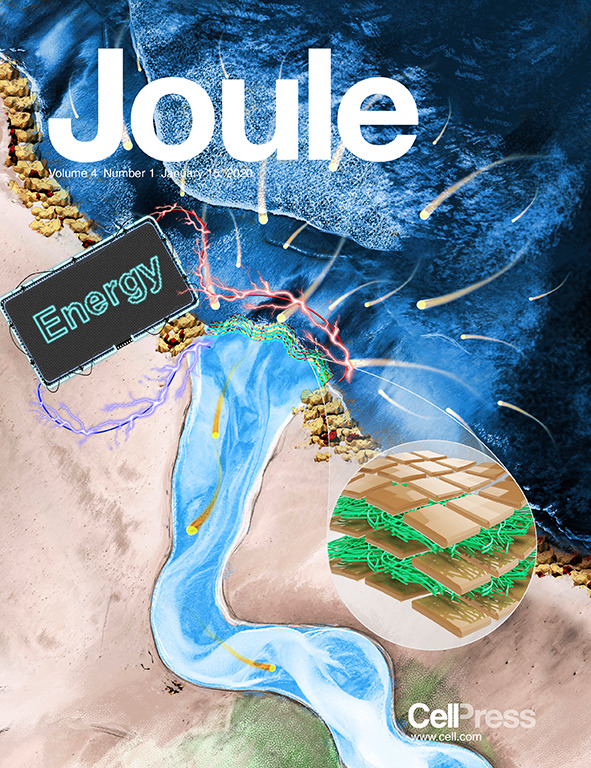
Cell期刊
Cell 系列期刊封面作品
1 个作品案例
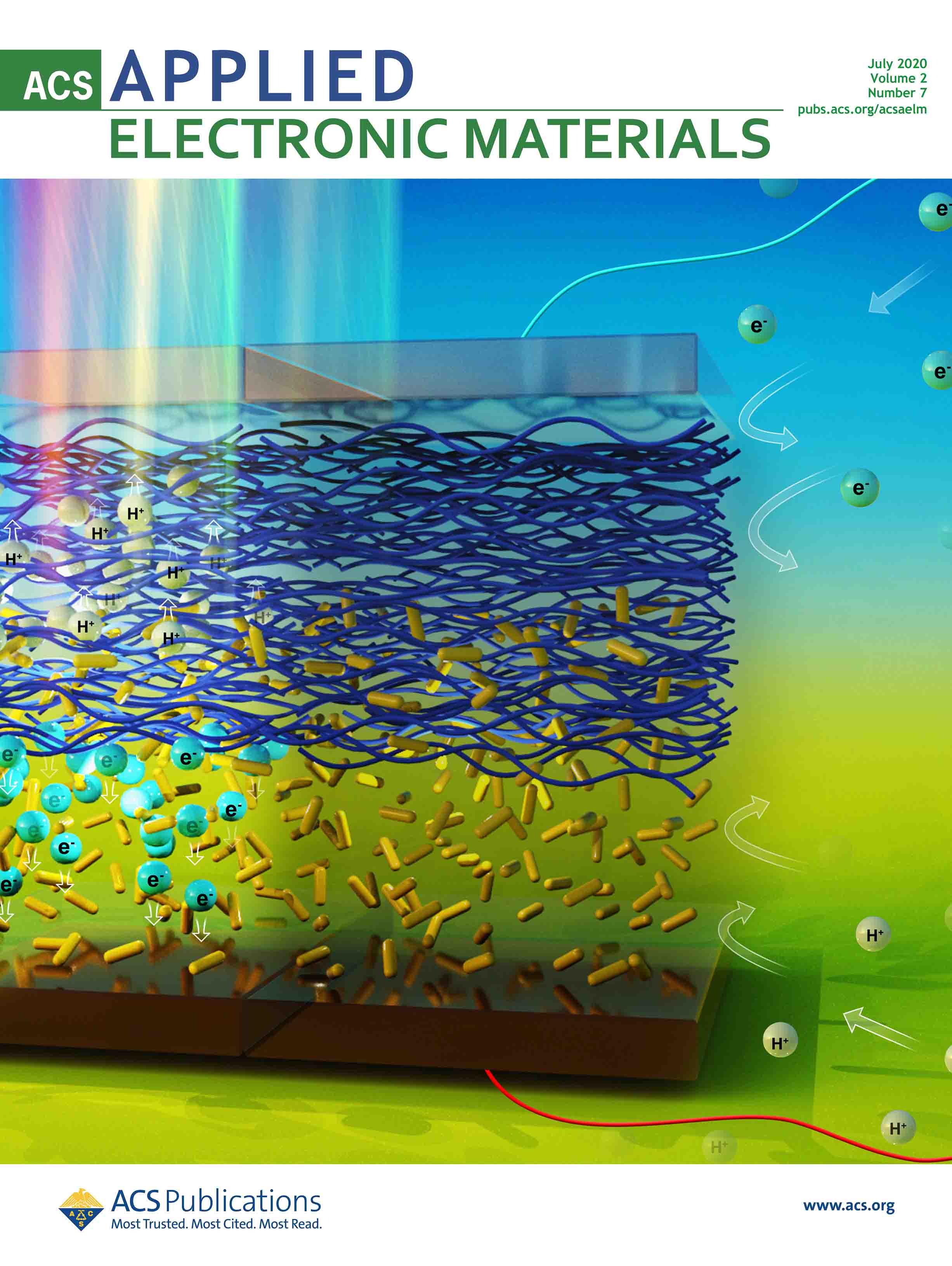
ACS系列
JACS, ACS Nano, ACS Catalysis 等
17 个作品案例
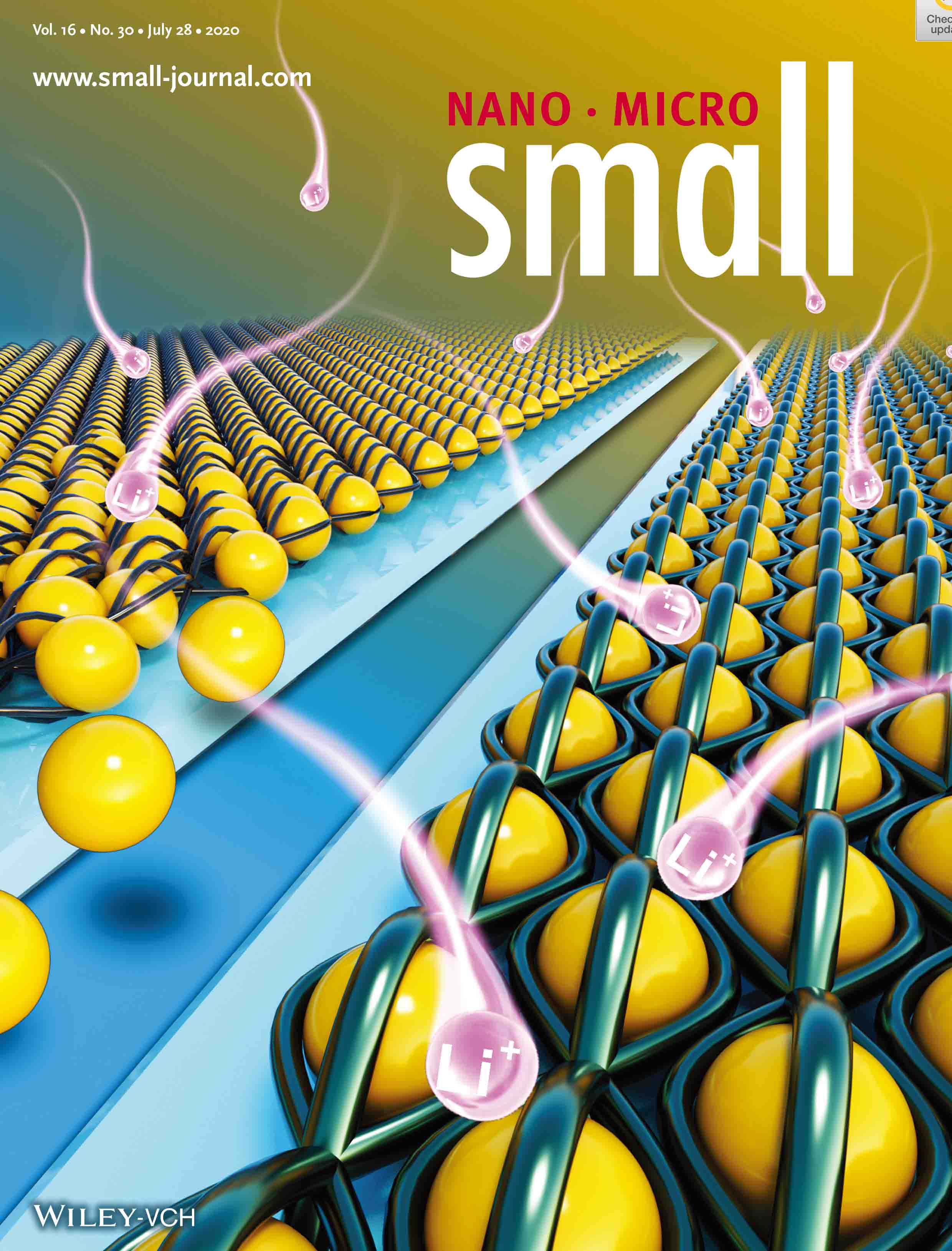
Wiley系列
Advanced Materials, Angewandte 等期刊
22 个作品案例
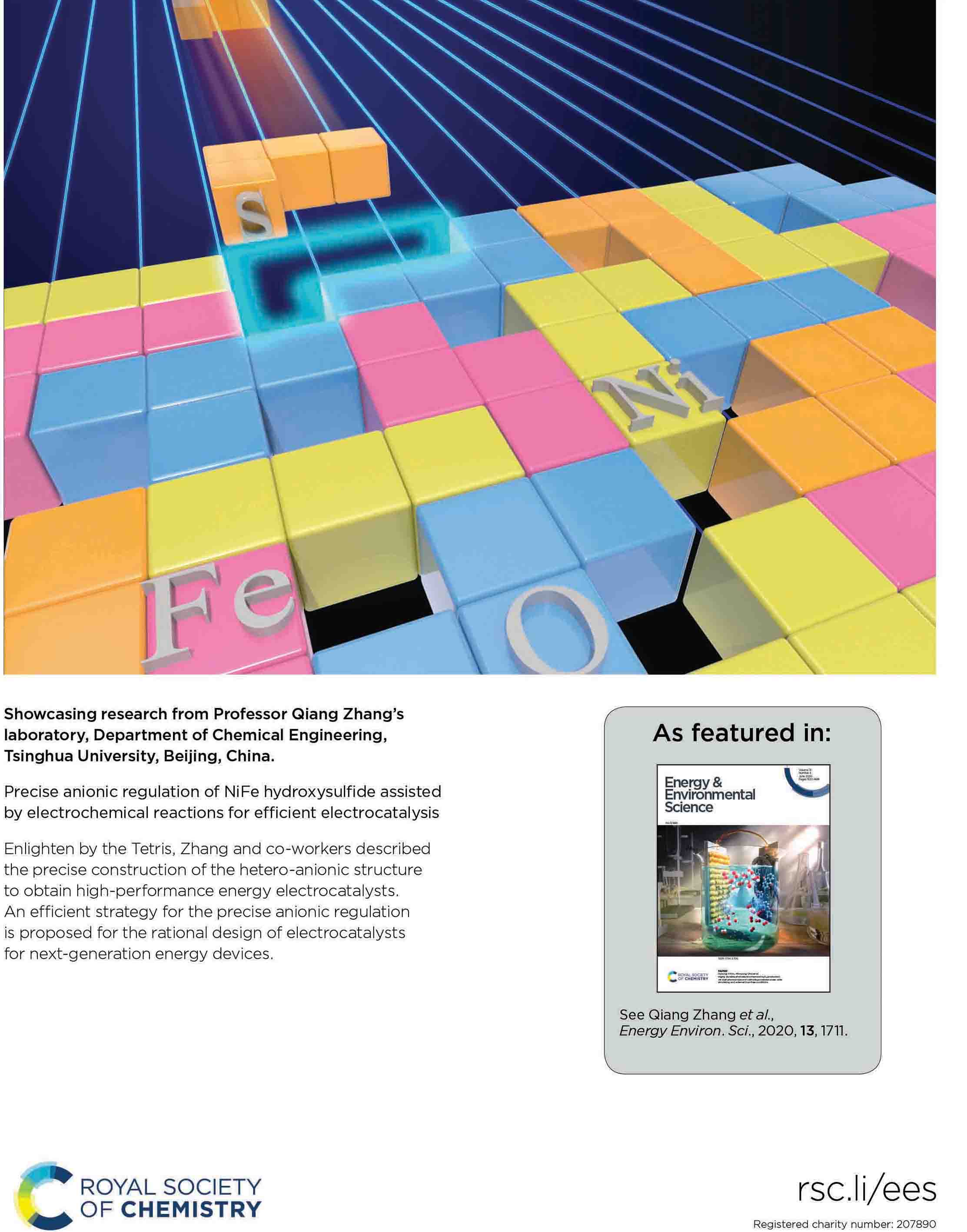
RSC系列
Chemical Science, Materials Chemistry 等
9 个作品案例
科学插图
分子结构、细胞图像、实验装置
科研动画
分子动力学、过程演示、机制解释
教育培训课程
专业的科研图像设计培训体系
课程体系
科研图像规范与排版
100
封面图像设计精讲
300
3DSMAX科研应用
300
PS+AIGC科研应用
300
线下培训
提供面对面的专业科研图像设计培训,涵盖从基础设计技巧到高级科研插图创作的完整课程体系。
培训课程
开课时间:2026/4/24
线上培训
名额:0/10
培训课程
开课时间:2026/9/14
线上培训
名额:0/10
开始您的科研图像创作之旅
立即联系获取免费咨询或预约培训课程